[Gear Review] More Than Just Holding the Rope: BEAL BIRDIE Assisted Braking Belay Device, Adding an Extra Layer of Forgiveness to Climbing Safety
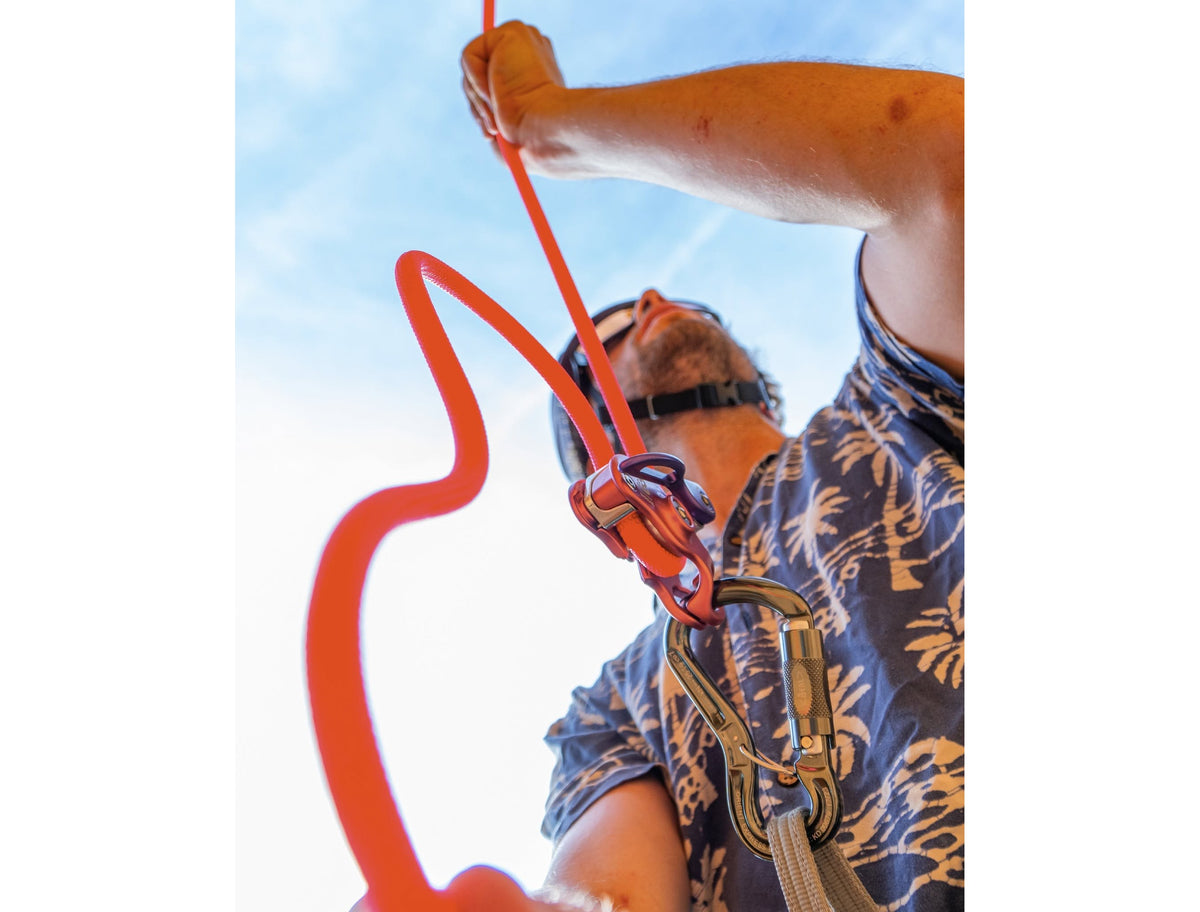
When rock climbing, a belay device is not just an "accessory."
It sits between you and the climber, responsible for managing the rope, catching falls, controlling descents, and upholding the most direct form of trust between you. Once the climber leaves the ground, the rope in the belayer’s hand is no longer just a piece of gear; it is a safety system that must be operated correctly.
Because of this, you shouldn't choose a belay device based solely on price, color, or popularity. More importantly: is it suited to your climbing style? Is feeding rope smooth? Is taking in rope intuitive? Will you experience fatigue during long sessions? When a fall occurs, can it provide a better safety margin under proper operation?
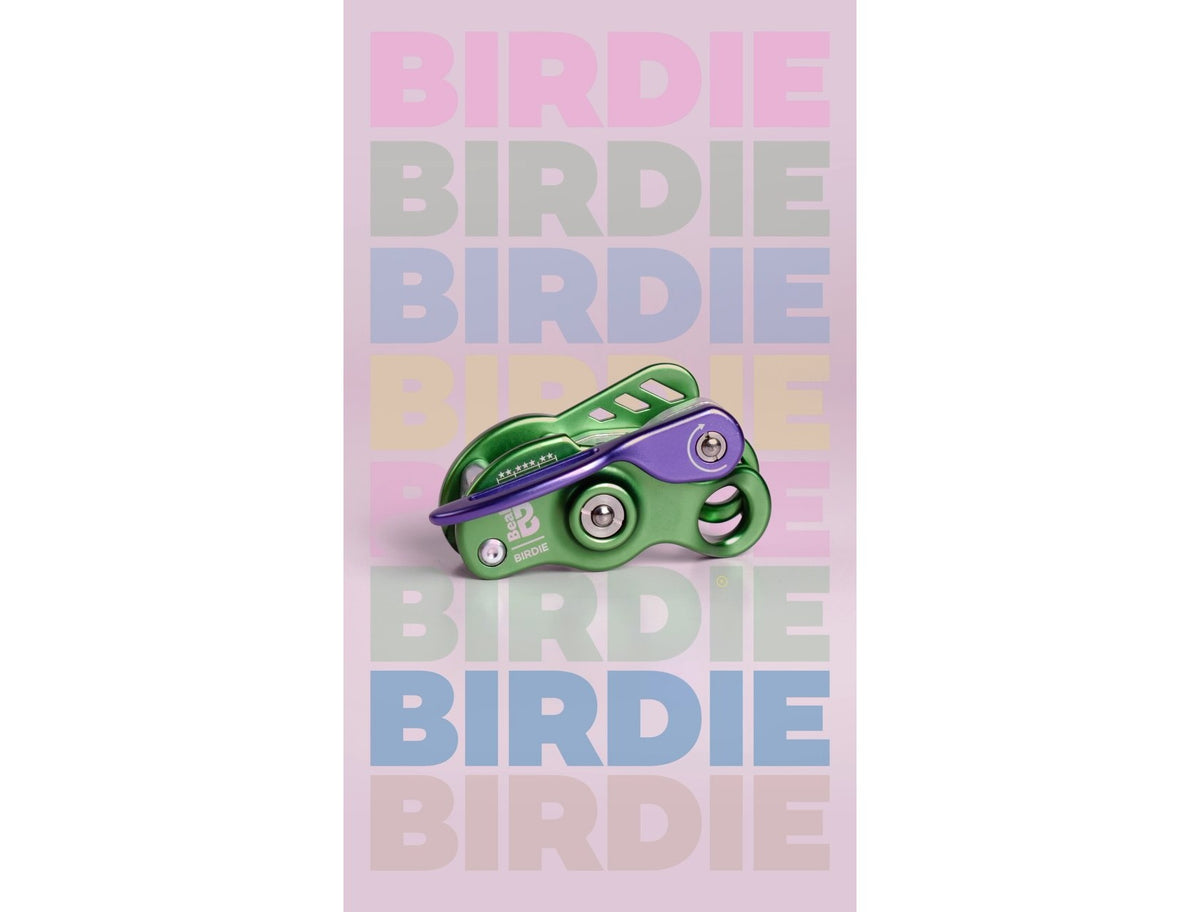
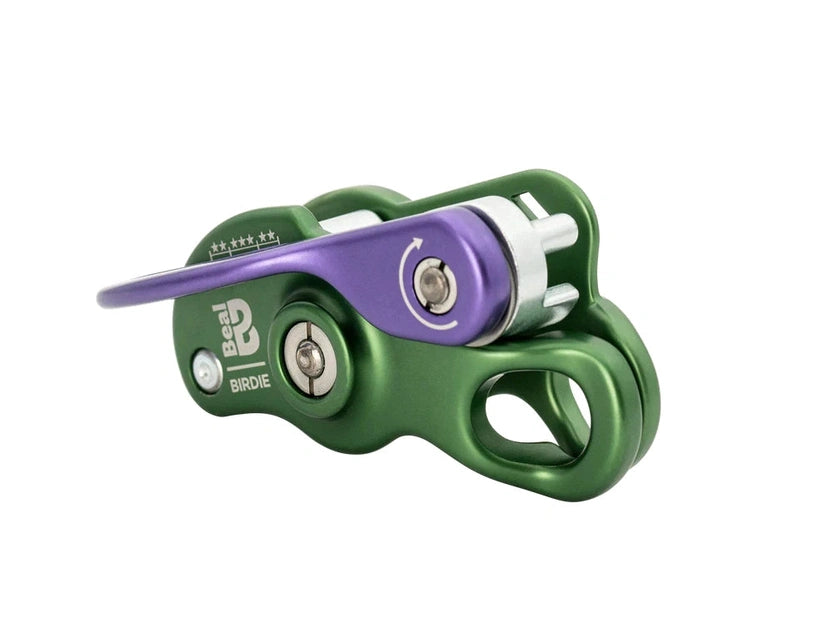
The BEAL BIRDIE belay device is an assisted-braking device designed for these practical needs. It is suitable for lead and top-rope climbing, using an assisted-braking structure, a wear-resistant all-metal design, and an ergonomic control handle to provide an increased safety margin for belaying when used correctly.
Important Reminder: Assisted-braking is not automatic belaying, nor is it a reason to let go of the brake hand. Any belay device requires correct rope installation, proper positioning, the brake hand to never leave the rope, and must be used only after thorough practice.
Understanding the BEAL BIRDIE in 30 Seconds
Product Positioning: Assisted-braking climbing belay device, suitable for lead and top-rope climbing.
Safety Focus: Provides assisted braking when operated correctly; it does not replace control by the brake hand.
Structural Features: Internal load-bearing and friction components are made of stainless steel, with an aluminum alloy shell; the all-metal construction is more wear-resistant.
Rope Compatibility: Suitable for 8.5 mm to 10.5 mm single ropes.
Specifications & Certifications: Weighs approximately 220 g; certified to CE, EN15151-1:2012, and UIAA standards; manufactured in Taiwan.
What safety margin does assisted braking provide?
Belaying is not a static action; it is a series of real-time judgments.
When a climber is clipping, you need to feed rope smoothly; when the climber rests, you need to be able to take in rope steadily; when the climber falls, you need to engage the brake quickly; and during descent, you must control the speed smoothly. These actions seem simple, but in actual climbing, they are often affected by fatigue, tension, communication, the condition of the rope, and the environment.
The role of assisted braking is to increase the safety margin under correct operation. Whether lead climbing, high-frequency belaying at a gym, or long sessions at an outdoor crag, the belayer must continuously control the brake side of the rope—the responsibility does not decrease because of the gear.
The value of the BEAL BIRDIE's assisted-braking function lies right here. It does not replace the belayer; rather, it provides additional braking assistance, provided that the belayer is correctly holding the brake side and managing the rope properly.
Three things international reviews emphasize: Durability, feeding, and rope management
By reviewing BEAL’s official data and numerous international climbing media reviews, it is clear that experts view the BIRDIE consistently: it doesn't rely solely on the "assisted-braking" selling point, but integrates durability, rope-feeding feel, and management into a single design.
BEAL officially emphasizes that the BIRDIE is a compact assisted-braking belay device, suitable for lead and top-rope climbing, and supports 8.5–10.5 mm single ropes. This clearly defines its primary role: it is not a multi-purpose descender, but an assisted-braking device designed for single-rope climbing.
Reviews from Climbing Magazine and GearJunkie mention that the BIRDIE’s all-metal structure provides a solid feel and impressive durability, and that the descent handle provides relatively clear control. MountainReview specifically notes that the BIRDIE does not easily cause rope twisting and has an intuitive design, making it relatively friendly for those learning to use assisted-braking devices.
However, international reviews consistently warn that thicker, older, or stiffer ropes may affect the smoothness of feeding rope during lead climbing; long-duration single-rope descents or rappelling are also not the BIRDIE's primary strengths. Being clear about these limitations helps readers determine more accurately whether it is suitable for their needs.
A Simple Gauge: The value of the BIRDIE is not in having the "most features," but in providing durability, intuition, assisted braking, and a better safety margin in lead and top-rope scenarios. If you need double-rope rappelling, multi-pitch versatility, or ultra-lightweight portability, a standard tubular device or other belay/rappel devices might be better suited.
Safety comes not from automation, but from correct operation
When many people first encounter an assisted-braking device, they tend to think of it as "auto-locking." This understanding is inaccurate and can lead to dangerous habits.
The concept that should be established is: the BIRDIE can enhance braking assistance under correct operation, but it still requires the belayer to control the brake side at all times. Keeping the brake hand on the rope, checking the rope direction, using the appropriate rope diameter, using the correct locking carabiner, and performing partner checks are basic actions that cannot be omitted simply because you are using an assisted-braking device.
For climbers, safety is not achieved by a single piece of gear, but is formed through a combination of equipment, technique, communication, and habits.
A Simple Gauge: If you want gear that allows you to "stop focusing on belaying," the BIRDIE is not for you. If you want an extra layer of braking assistance and a safety margin on top of proper belaying technique, the BIRDIE will truly hold value.
Use Cases: Who actually needs this?
Regular Gym Climbers: If you belay every week—whether top-roping or practicing lead—the wear resistance, smoothness, and stable operation of the device will be very noticeable. Under high-frequency use, the all-metal structure stands up better to repeated friction.
Beginners in Lead Climbing: Lead belaying requires more nuanced rope-feeding and taking-in rhythms. The BIRDIE’s assisted braking increases the safety margin when operated correctly, but users still need instruction from a coach or experienced peer to master feeding and braking techniques.
Outdoor Climbers: Outdoor environments have more variables, including positioning, crag terrain, rope friction, communication distances, and fall angles. Choosing a stable, wear-resistant, and intuitive belay device makes the entire process more solid.
Organizations or Coaches managing gear: Every BIRDIE device has a unique serial number, making equipment management, tracking, and record-keeping easy. For gyms, school clubs, training facilities, or coaches, this is a practical detail.
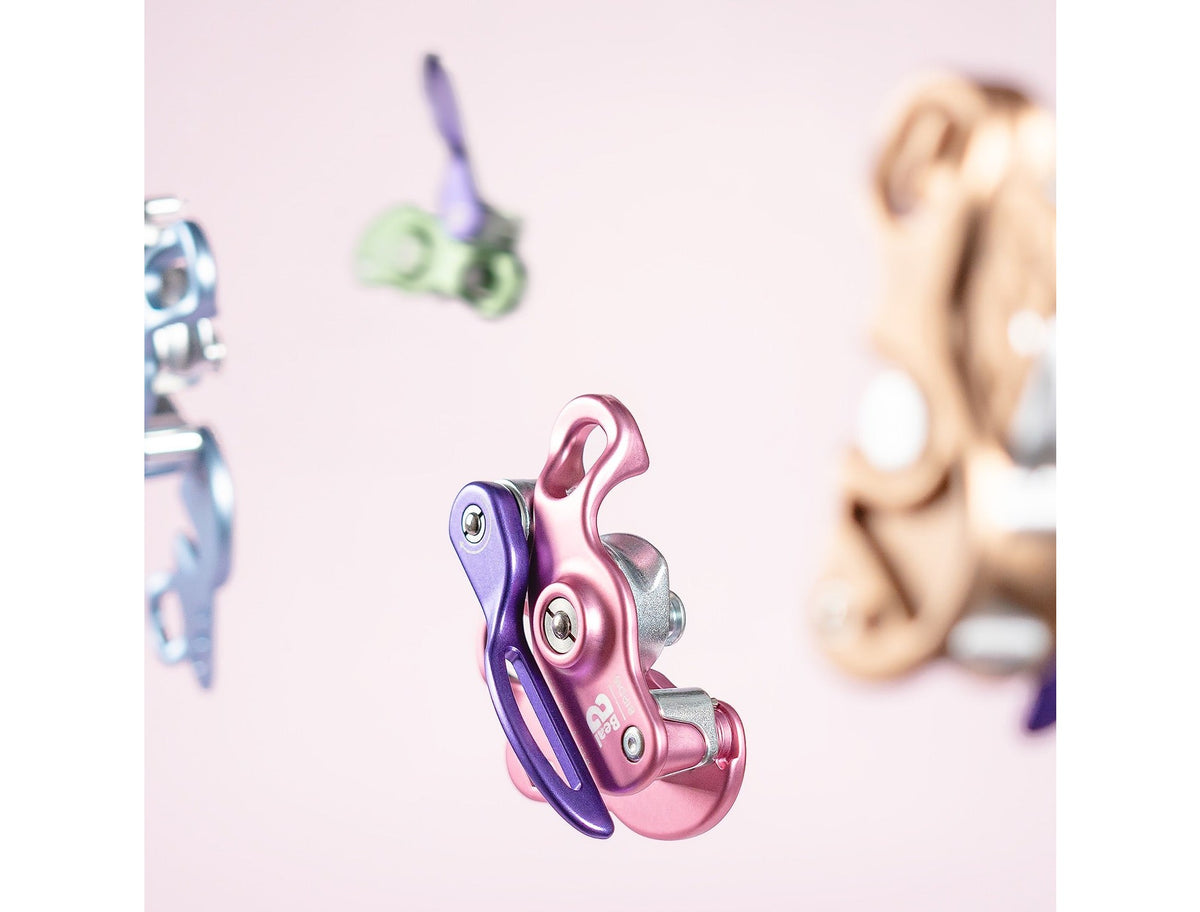
All-Metal Structure: More wear-resistant under high-frequency use
A belay device faces constant rope passage, friction, load, and braking every single day. Especially in gyms, climbing courses, or for those training regularly, the wear on a device happens faster than you might think.
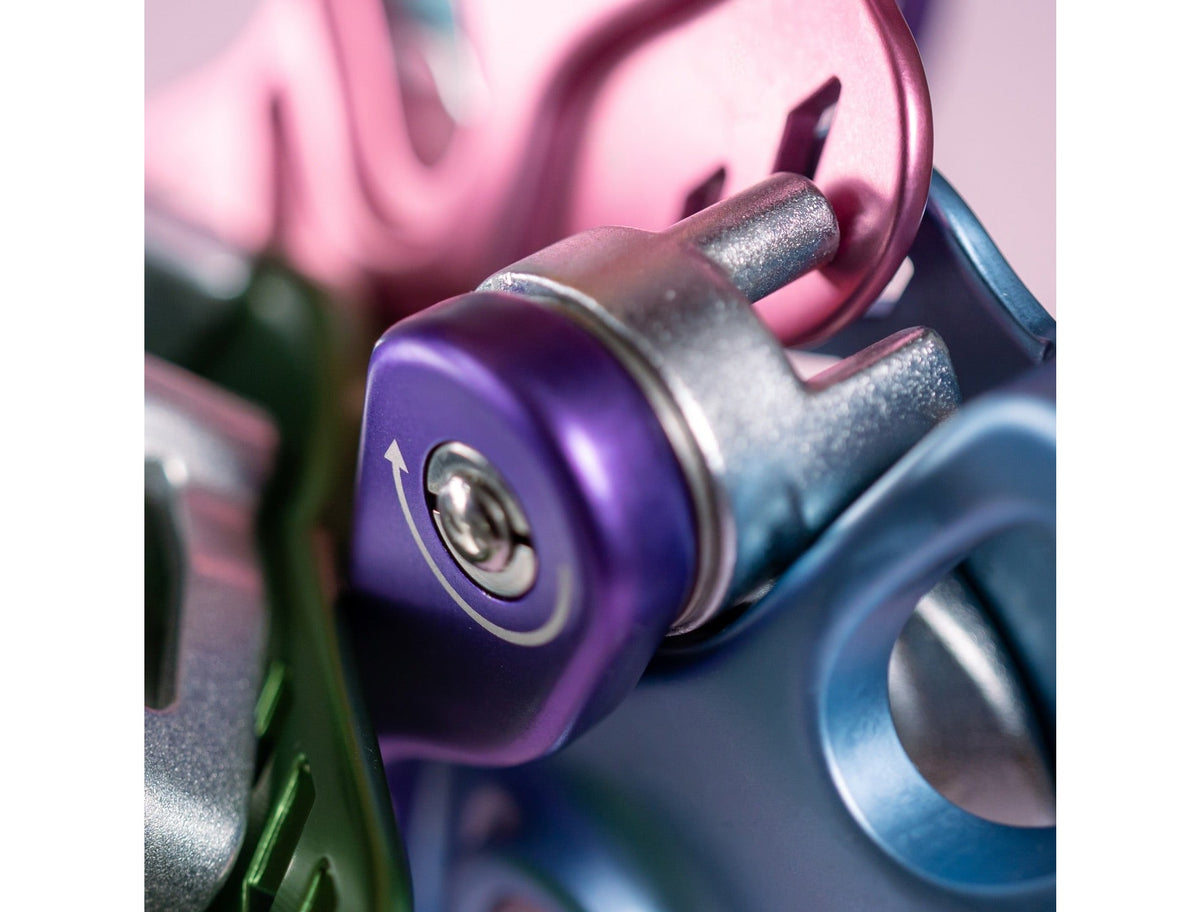
The BIRDIE’s internal load-bearing and friction components are made of stainless steel, while the outer shell is aluminum alloy. This all-metal structure isn't just for a rugged look; it is about increasing wear resistance and long-term operational stability.
International reviews generally mention the BIRDIE’s solid feel and durability. It is slightly heavier than some other assisted-braking devices, but it trades weight for a more robust metal structure and long-term confidence. For frequent climbers, this affects the gear's lifespan and the consistency of the feel during every feed, take, and brake.
Smooth Rope Feeding: The detail lead belayers care about most
The two things lead belayers fear most: snagged rope during feeding and slow rope retrieval.
When a climber is preparing to clip, if the rope doesn't feed smoothly, it’s easy to break their rhythm; after the climber has moved up, if you don't take in the slack quickly enough, it adds unnecessary fall distance. A good belay device must balance "smooth feeding" with "stable braking."
The BIRDIE's design allows the rope to slide along the device’s axis, helping to reduce rope twisting and knotting, making operation more intuitive. For lead climbing, where rope must be fed and taken in frequently, this is a very practical advantage.
However, rope diameter and condition significantly affect the feel. Although the official compatibility range is 8.5–10.5 mm single ropes, using thicker, older, or stiffer ropes may make feeding less smooth, while newer, thinner, well-maintained ropes usually lead to snappier operation.
How does the BEAL BIRDIE differ from a standard tubular device?
When many people start climbing, the first device they encounter is often the tubular belay device, commonly known as a "pig nose." It is cheap, lightweight, simple in construction, and allows users to solidly learn basic belaying techniques.
But when you start belaying frequently, enter lead climbing, or want an extra layer of safety margin through correct operation, the differences between an assisted-braking device and a standard tubular device become clear.
| Comparison Item | BEAL BIRDIE Belay Device | Standard Tubular Device |
|---|---|---|
| Braking Method | Assisted-braking design; provides extra braking force under correct operation to increase safety margin. | Primarily relies on the brake hand, friction angle, and belayer technique. |
| Safety Margin | Provides assisted braking when used correctly; suitable for those who prioritize stability. | Braking effect depends more heavily on belayer experience and correct technique. |
| Feeding Feel | Suitable for lead and top-rope; different rope diameters and conditions affect smoothness, requiring practice. | Direct, simple feel; very smooth once mastered, but with less braking assistance. |
| Descent Control | Descent via control handle is intuitive, but monitor handle temperature and control during long rappels. | Broader use for descent and rappelling; many models support double-rope rappelling or multi-pitch use. |
| Suitable Scenarios | Gym climbing, lead climbing, top-roping, outdoor single-rope sport climbing. | Basic belay instruction, lightweight carrying, multi-pitch, double-rope rappelling. |
| Learning Focus | Must familiarize with the device's rope-threading direction, feeding method, and braking/descent control. | Provides solid training on brake hand, braking angles, rope control, and basic belaying concepts. |
A Simple Gauge: A standard tubular device is not inherently unsafe—it is reliable under correct operation and highly versatile. The value of the BIRDIE lies in the extra assisted braking and safety margin during lead and top-rope climbing. If you mainly belay in gyms or sport climb, you will appreciate the BIRDIE more; if you need double-rope rappelling, multi-pitch functionality, or extreme minimalism, a tubular device maintains its advantages.
Reminder: Assisted braking is not a cure-all
The BIRDIE adds a layer of safety, but it is not infallible.
If the rope is threaded backward, an incompatible diameter is used, the carabiner is oriented incorrectly, the brake hand leaves the rope, or the user is not sufficiently trained, no device can mitigate the risks of incorrect operation.
It is also not designed for double ropes, half ropes, self-belaying, or non-climbing uses. Confirm your rope diameter, climbing style, and usage scenario meet the product specifications before purchasing.
Furthermore, while the BIRDIE can control descents, extra attention should be paid to handle temperature and control feel during long single-rope rappels or fixed-rope operations, as these are not its primary use cases.
Safety Focus: Assisted braking increases the safety margin during correct operation; it does not make incorrect operation safe. Before using it for the first time, practice feeding, taking in, braking, and descent control in a safe environment.
Confirm these points before purchasing
Is your rope a single rope with a diameter between 8.5–10.5 mm?
The BIRDIE is for single ropes 8.5 mm to 10.5 mm. Ropes that are too thin, too thick, heavily worn, or in poor condition will affect feel and braking performance.
Do you mainly top-rope or lead climb?
The BIRDIE is for top-roping and lead climbing. If you primarily need multi-pitch, double-rope, or half-rope systems, evaluate more specialized equipment.
Are you willing to learn new belaying techniques?
Assisted-braking devices operate differently than tubular devices. Switching equipment isn't just about the gear; you need to familiarize yourself with the feeding, retrieval, and descent control.
Have you confirmed the specs and usage?
Belay devices are technical safety equipment. Please confirm compatibility, intended use, color, and descriptions on the product page before purchasing; returns are handled according to store policy and applicable laws.
Who is this for?
The BEAL BIRDIE is suitable for:
Regular gym climbers who need a stable, durable device.
Those beginning lead climbing who want a more robust safety system.
Climbers who value assisted braking and an enhanced safety margin.
Users who require high-frequency usage and prioritize all-metal durability.
Climbing coaches, clubs, or organizations needing equipment identification management.
Conclusion: Good safety gear is worth it because it makes you take every belay more seriously
A good belay device shouldn't make you complacent; it should make you more willing to follow safety protocols diligently.
The value of the BEAL BIRDIE lies in its combination of assisted braking, all-metal durability, smooth rope handling, and ergonomic design—making belaying more stable, intuitive, and suitable for long-term practice.
But true safety comes not from the equipment itself, but from your understanding of it. Knowing what it can do, what it cannot, when to inspect, practice, and retire the device is the most important attitude for technical gear.
If you are transitioning from top-roping to lead climbing, or want to upgrade to a more stable, assisted-braking system, the BEAL BIRDIE is a choice worth understanding deeply.
[[Related Products]]
If you want to confirm if the BIRDIE fits your rope diameter, climbing style, or scenario, feel free to contact the Mabu Valley official LINE.
Learn more about the brand
If you want to dive deeper into BEAL’s brand history, climbing ropes, and technical equipment series, refer to their official brand website.