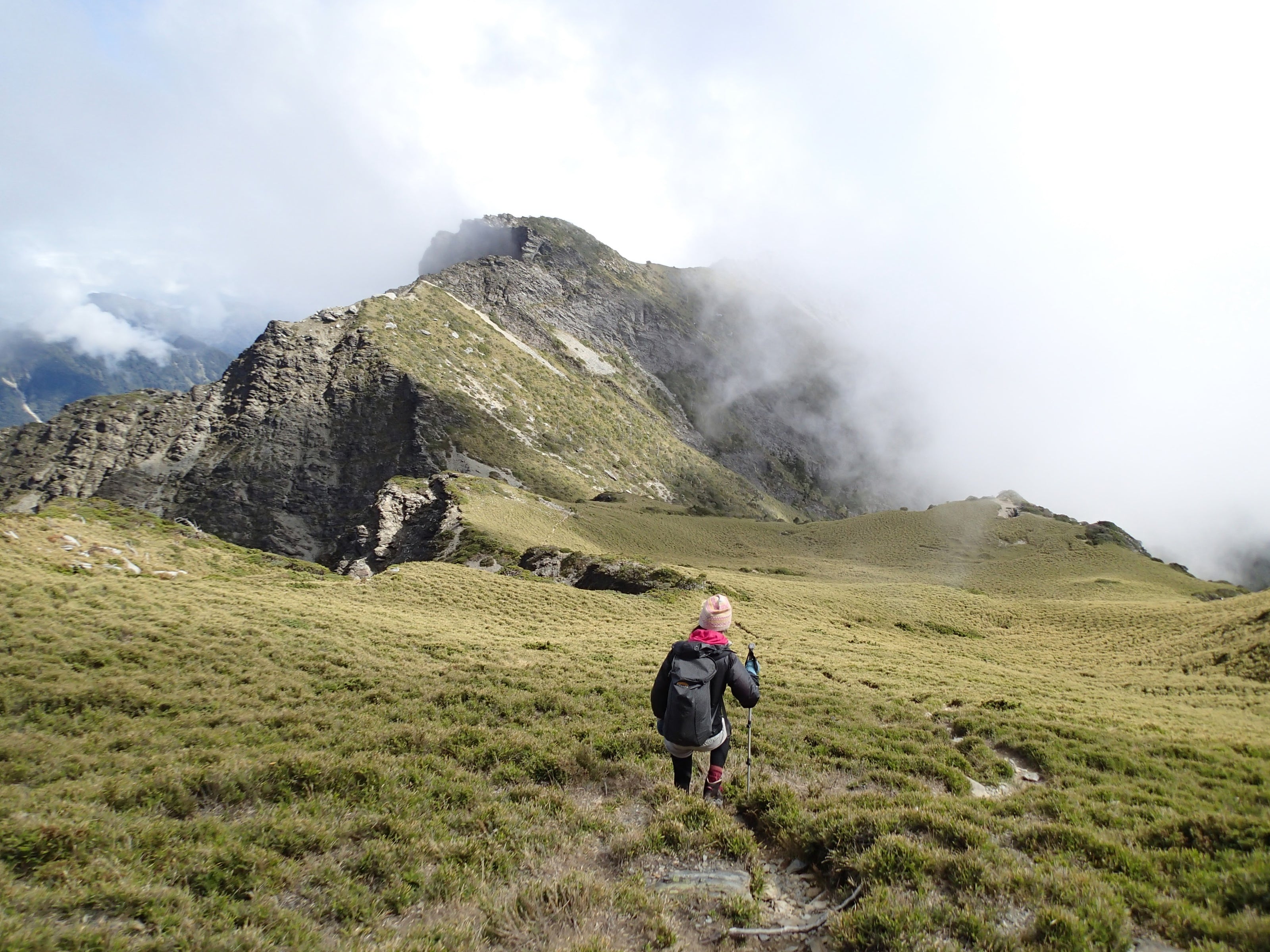
Hiking in the rain without getting soaked: Waterproof gear tips, recommended for those who always bring the rain.
The Importance of Waterproof Gear: How to Keep Your Hiking Gear Dry in the Rain
Have you noticed this on your recent hikes? Rain comes fast and hard, especially in Taiwan’s mountainous areas with active convection, where encountering rain is almost a routine occurrence. Beyond bringing a windproof and waterproof jacket, the waterproofing of the gear inside your backpack cannot be overlooked. If insulation layers or sleeping bags get damp, it significantly increases the risks associated with mountaineering. Therefore, "waterproof compression sacks" have become an essential piece of waterproof gear for hikers.

Uses of Waterproof Compression Sacks
Any gear sensitive to moisture, such as electronic devices, insulating layers, sleeping bags, medical supplies, etc., can be placed directly into a waterproof compression sack. Not only are they waterproof, but they also effectively compress your gear to maximize storage space in your backpack. Regardless of whether you expect rain, a waterproof compression sack is an essential item for any hiker.

The Versatility of Waterproof Compression Sacks
Waterproof compression sacks aren't just useful on rainy days; they are also great for packing wet tents. When hiking, if your tent becomes wet from dew or rain, putting it directly into your backpack will dampen other gear, and strapping it to the outside can be inconvenient and might even get your back wet. In this case, using a large waterproof compression sack to store the tent is the best solution. Furthermore, for daily outings or outdoor excursions, bringing a small waterproof compression sack to hold your camera and clothes ensures your equipment won't be damaged even if you encounter a sudden downpour.

A Quick Tip
Although backpack covers offer some degree of waterproofing, they cannot fully cover the backpack and can easily get snagged on tree branches. During heavy rain, water can also seep into the backpack from the back, following the line of your raincoat, meaning their effectiveness is limited. Therefore, we recommend using plastic bags or waterproof compression sacks to pack your essential gear to ensure it stays dry and safe even in adverse weather.