Water Supply in Los Flamencos Sanctuary, Colombia | SPECTRA LB-4000 Improves Community Drinking Water
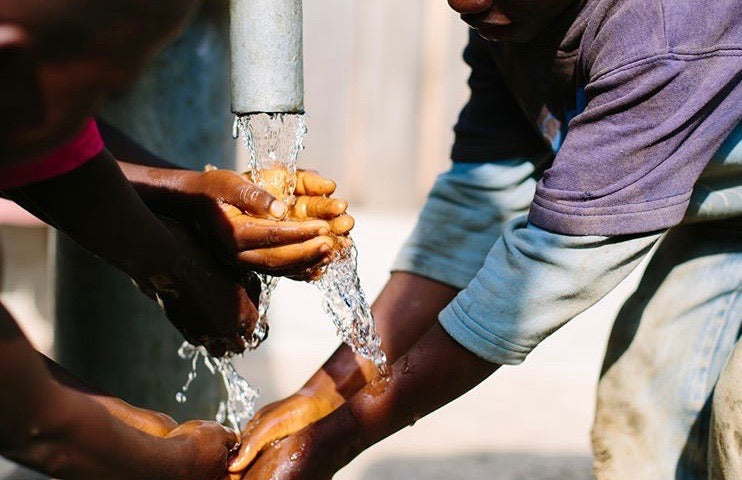
In Los Flamencos Wildlife Sanctuary, La Guajira, Colombia, indigenous residents had to bear the high cost of transporting drinking water from outside the area after their existing wells were contaminated by salt.
SPECTRA's partner Trunz collaborated with the national park authorities to plan and install two solar-powered LB-4000 units, utilizing the existing wells to re-establish a freshwater supply for the community.

Original Case Information
Water transport is an emergency solution, but not a sustainable long-term supply.
After the wells became saline, residents of the sanctuary had to rely on water trucks or other transportation methods for clean water. This method incurs ongoing transportation costs and is susceptible to issues with roads, vehicles, fuel, and weather conditions.
After evaluation by Peter Wochele of Trunz and the national park authorities, they opted to treat the well water on-site, keeping the water supply capability within the community rather than continuously bringing drinking water from elsewhere.

Two solar-powered watermaking systems support sanctuary residents.
The project involved installing two SPECTRA LB-4000 units to treat the salt-affected well water, powered by a solar array. Case data indicates that the system can supply the necessary water for residents living within the sanctuary.
This setup addresses two limitations simultaneously: the water source not being directly potable, and the difficulty of obtaining electricity and fuel locally. For remote communities, integrating water sources, energy, and maintenance in this way offers a more sustainable long-term solution than simply increasing water deliveries.
Mabu Valley Observation: When existing well water is affected by salinity, the water supply issue does not necessarily mean there is no water, but rather a lack of suitable on-site treatment capabilities. By combining reverse osmosis with renewable energy, water sources that were previously unfit for drinking can re-enter the supply system.
Sources
KATADYN Taiwan Case Study:Colombia Los Flamencos Sanctuary Water Supply | SPECTRA LB-4000 Improves Community Drinking Water