Qianghu Column | On Mountains - Mountain Climbing Injuries
Mt. Tiger Talk - Mountaineering Sports Injuries
Author: Huang Yao-He

I’m heading to the Junda Forest Road Totoro Bus tomorrow, so today I’m reminiscing about this topic from last year's Mt. Tiger Talk: mountaineering sports injuries.
People are used to dividing sports injuries caused by mountaineering into two major categories: acute and chronic. Analyzing acute sports injuries that occur during a hike from the perspective of WMAI Wilderness First Aid, they are divided into two types: stable injuries and unstable injuries. The complexity of handling them can be vastly different, and I believe those who have taken first aid courses already have a preliminary understanding, so we won't go into detail on this part today.

I am not capable of treating chronic mountaineering sports injuries. If a mountain guide or coach tells you they can treat your chronic knee or back pain during a hike, they might be a physical therapist, a sports injury specialist, or perhaps some sort of "wise sage" who has been ill for so long they’ve become a doctor themselves? But none of those are me.
If you already have serious chronic sports injuries involving lower limb joints, muscles, tendons, ligaments, or the area around your spine, mountaineering may not be a good form of rehabilitation exercise. In most cases, mountaineering is highly likely to worsen minor chronic sports injuries, so please see a doctor immediately.
Chronic mountaineering sports injuries are mostly caused by long-term accumulation (overexertion), or by rushing to train or hike before an acute injury has fully healed (incomplete recovery). Both will cause your walking gait and posture to deviate; once compensatory posture patterns emerge, if not corrected in time, it easily causes other parts of the body to be used incorrectly, creating a vicious cycle of pain.

Common example of mountaineering injury (1): Going on a multi-day mountain traverse before an ankle sprain has fully healed. It is foreseeable that the possibility of blowing out your knee afterward is greatly increased.
Common example of mountaineering injury (2): Carrying a load exceeding your core stability, overextending (compressing the hiking itinerary), and incomplete fatigue recovery (starting while it's still pitch black), leading to lower back pain. Once the core can no longer support the weight of the backpack and the center of gravity cannot keep up with the forward momentum, it is predictable that the knees will blow out shortly after.
Some people say: "Then don't carry a heavy load, just go ultralight." If you only think to that extent, it’s not actually wrong; after all, it is one of the easiest ways for beginners to avoid injury and the easiest to achieve.
However, always being "light, fast, and compressing the itinerary" won't actually make you stronger; it's just a false sense of growth (growing the number of 100 Peaks climbed, increased familiarity with the environment). If you don't become stronger, injury will happen sooner or later. (One proactive way to avoid acute injuries is to make yourself stronger).
Therefore, I found my own way to avoid chronic sports injuries: on demanding itineraries, carry a light pack and know the correct walking posture—this is crucial. Then, find a comfortable mountain area for periodic weighted backpack training; "don't compare weight with others," please compare yourself to see if you have improved or regressed. As you age, degeneration is normal, but "normal" degeneration can still disrupt daily life and mountaineering activities.

These personal insights of mine are more or less mentioned in the Wild Camping Practical Course or the Jie-Mao-Si Jiaming Lake trip. For Mt. Tiger friends who don't know where to start, the most efficient way is to find a trusted strength and conditioning coach at a local gym near your home to assist you, or continue following the Mt. Tiger training grounds. Together, we can face the mountains that cause us injuries, though the results might be slow-acting, like traditional Chinese medicine.
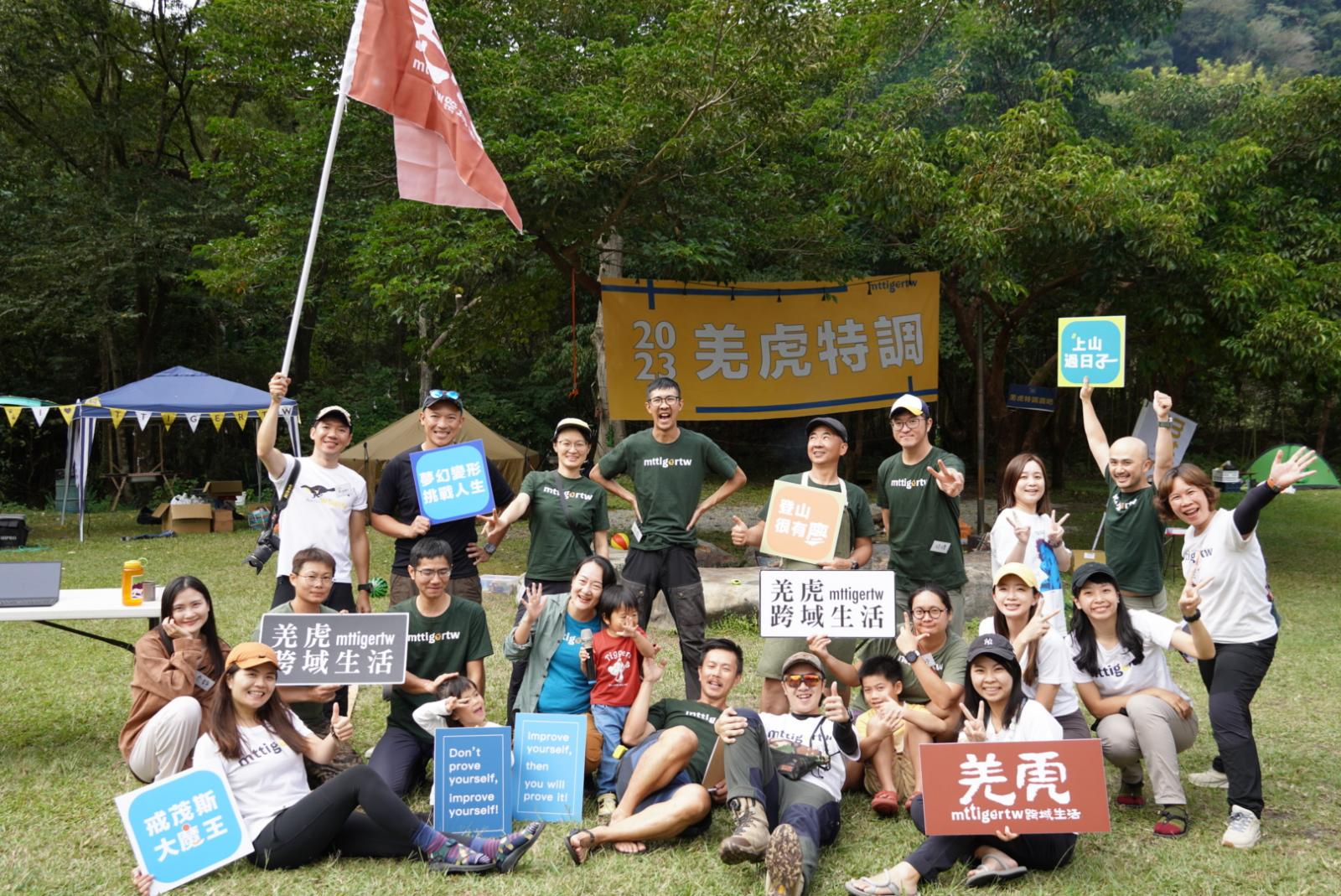
 "Mt. Tiger Cross-Domain Life: Combining mountaineering education philosophies, we help fellow hikers gradually build outdoor safety awareness and techniques through rich practical courses and professional guidance, enabling everyone to face mountain challenges with confidence. At the same time, we advocate for the responsibility of preserving the natural environment, passing on our love and respect for the wilderness to more people, and achieving a complete journey of cross-domain learning and experience."