Qianghu Column | 2023 Mountain Area Guide Training – The Power of Paper Map Navigation

Maps, terrain, elevation, routes, and directions: learn to navigate the wilderness using paper maps and gain a profound sense of accomplishment.
Transitioning from two-dimensional space to three-dimensional space, and then placing yourself within it; I often mix up left and right, wanting to say right when I mean left. This task was really nerve-wracking for me at first.
I kept wondering, "Is this the right place?"

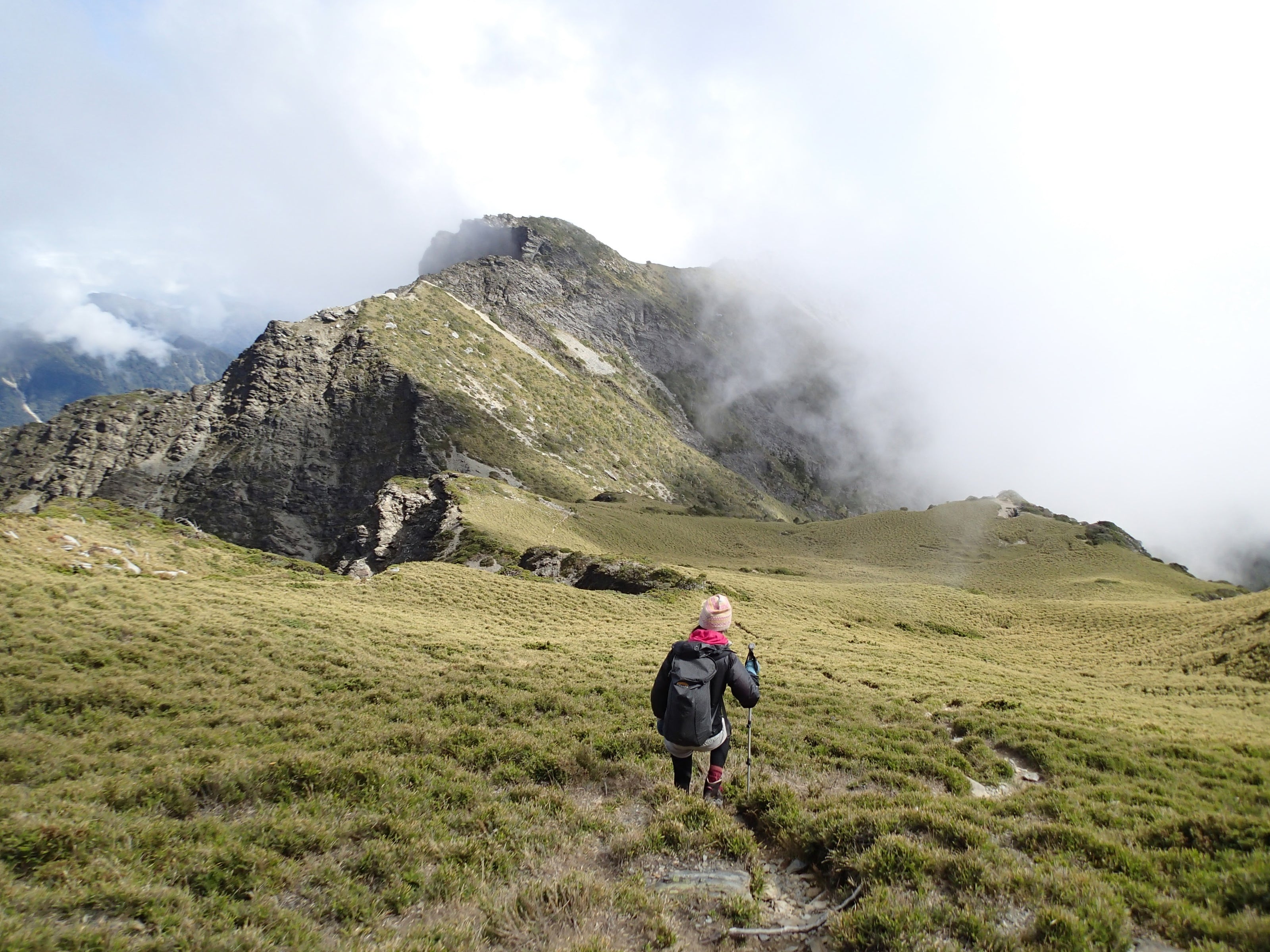
Turn off your phone, pick up a map and compass, and lay a good foundation for a good start.After adjusting the compass bearing, follow the rises and falls of the route, observing the cliffs and ridgelines to your left and right, and the valleys, saddles, or peaks ahead and behind; use this local information, along with your pace and the elevation gained or lost, to deduce where you are.
During the exercise, I occasionally heard the coach ask, "Where are you now? Which direction are you heading? Are you going up or down the ridge, or traversing it?"
Besides identifying where your feet are, what about your mind? Have you ever asked yourself this, thinking about which direction you want to take yourself and whether you are confident in your decision? The mountains are vast, and the local conditions cannot be fully represented by contour lines. It is very difficult to interpret the big picture or find the perfect route. As long as you are certain of your direction, set intermediate goals (a peak, saddle, or valley) and take action! Once you reach that peak, you will know what lies beyond it. During the practice, you are constantly reminded to walk over and see for yourself. Have confidence in yourself.
Confidence is built through continuous deliberate practice like this, layer by layer.

The coaching team provided ample space for adventure, allowing us to deliberately face our fears.
When faced with the unknown, an animal's instinct is to be afraid; when faced with survival, an animal's instinct is to take risks. Without a GPS to rely on, your senses are forced to sharpen. Following local clues to clarify a manageable range of adventure—imagine how rare such practice is; let alone leading a team of 14 people on an adventure, which takes the tension to another level. You are constantly making choices. Compared to the team's decision, is it simply easier to decide on your own?Through nine days of deliberate practice, the Chiang Tiger coaching team provided ample space for adventure, and in moments of panic, they would deliver a wake-up call that further heightened the sense of being there. There are no absolute rights or wrongs in mountain decision-making, only appropriate and inappropriate compromises.

Balancing adventure and risk
Goal setting can easily become narrow in its focus on execution. Plans should retain flexibility (withdrawal mechanisms/route changes), but knowing how to adjust the degree of flexibility also relies heavily on an underlying logic built on experience. I hope that in the future, I can also maintain a flexible and relaxed state of mind in the mountains. As it is in the mountains, so it is in life.

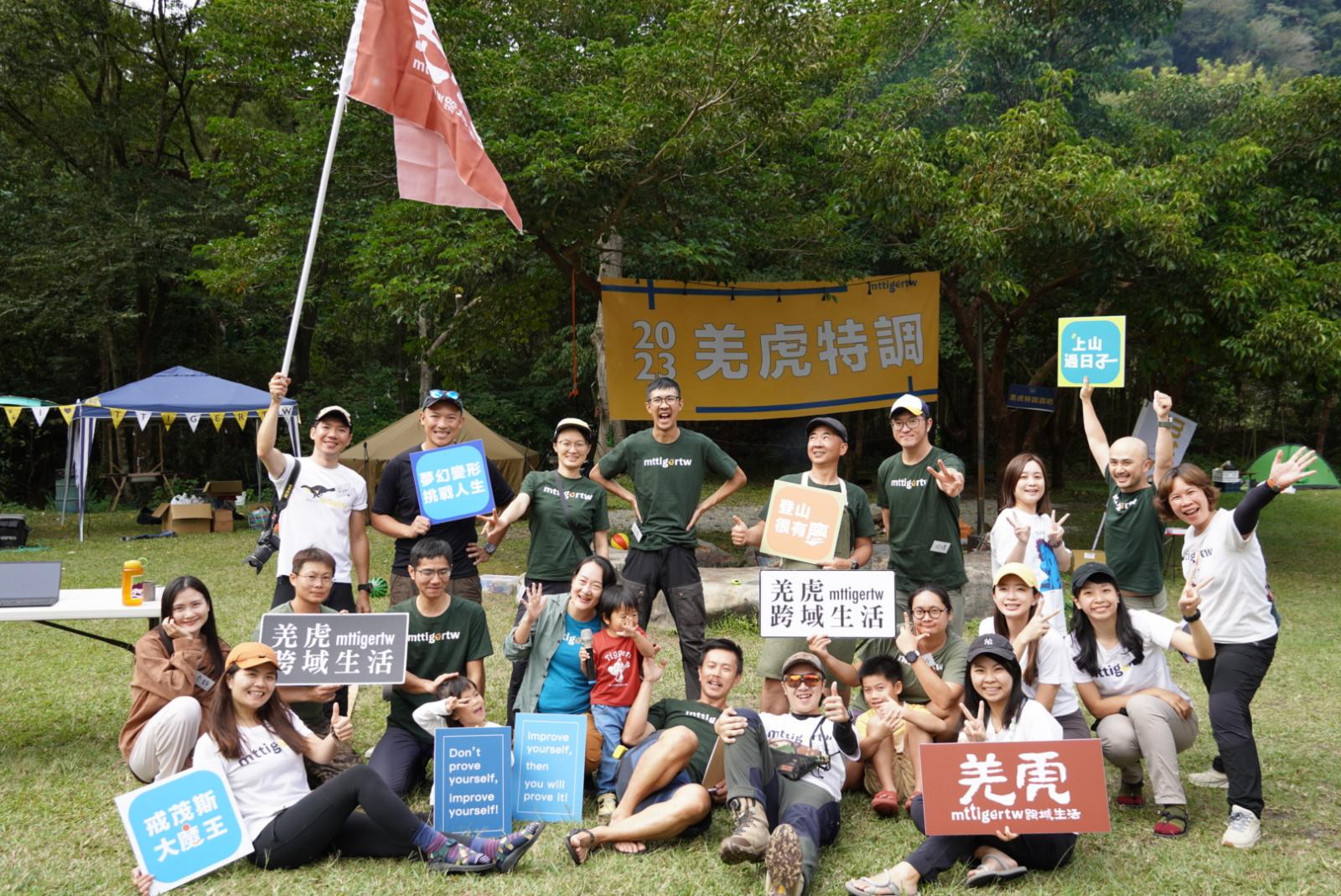
Let's salute the Eagle Bear campsite together!
#ChiangTigerCrossDomainLife #RepublicOfChinaMountainAssociation #MountainGuidingTrainingCourse #JiamingLake #MountBrak
 "Chiang Tiger Cross Domain Life: Combining mountain education philosophy, it helps mountain enthusiasts gradually develop outdoor safety awareness and skills through a wealth of practical courses and professional guidance, allowing everyone to confidently face the challenges of the mountains. At the same time, it advocates for the responsibility of conserving the natural environment, sharing a love and respect for the wilderness with more people, realizing a complete journey of cross-domain learning and experience."
Go to Chiang Tiger Cross Domain Life
Reflections on Mabu Valley
The question the coach occasionally asked, "Where are you now?", is what we remember most vividly after reading this. The exercise described in the article involves matching the lines on the map with the ridgelines and valleys before you, and then finding your own position. As you read, you can't help but think: if it were you, could you explain it clearly?
The author also doubted at first, "Is this the right place?" Later, by observing the terrain and practicing repeatedly, they built the confidence to make judgments. This learning process is very real: at first, you are uncertain, so you first admit that you do not know, and then try to figure out what is happening before you.