Qiang Hu Column | Hydration Recommendations for Multi-Day Mountaineering and Trekking

The discussion around drinking water varies depending on the situation. To explain this topic properly, it helps to set a specific scenario.

The following are effective hydration recommendations for this scenario:
Hydration Before Setting Off from Camp
Your breakfast routine will definitely affect how much you drink at this time. Tea, coffee, milk tea, and sweetened oat milk—the caffeine, sugar, and salt in these breakfast drinks will affect your total fluid requirements to some extent. There are too many variables to control, and the theory is a bit complicated. In practice, there’s really no need to be so meticulous. You won’t feel thirstier just because you drank 200 cc more coffee than usual, but you will likely urinate more frequently after drinking more coffee.
Keep the total volume of breakfast, coffee, tea, and milk tea around 300–600 ml. If you drink more than that, you’ll probably need to find a place to urinate while walking. But if you have plenty of time for breakfast (more than 2–3 hours), you can drink, eat, urinate, and defecate more. Your body will actually feel quite good. No matter how much you drink, there’s a limit beyond which you’ll feel uncomfortable. A total beverage volume of under 1,000 ml is what my body can generally tolerate.
(Finding the right breakfast beverage volume for yourself is your own homework; my data may not apply to you.)Hydration before setting off for a hike is often overlooked, but pre-exercise hydration can effectively delay the accumulation of fatigue in the early stages of a hike. It’s better to drink more water and urinate more than to deliberately drink less for fear of frequent urination.
Note 1: Is drinking 1,000 ml of water within 2–3 hours of breakfast too much? The reason I don’t think it’s too much is that we lose a significant amount of water through evaporation during 6–9 hours of sleep, and we also eliminate about 500 ml in the first urination after waking up (this varies by body weight). I’ve observed this 500 ml over the long term by measuring the difference in my weight after morning urination compared to the night before going to bed. I love weighing myself, and I also love buying scales. I now have four body composition scales.
In short, drinking a 200 ml glass of easy-to-drink mountain water right after waking up is already part of my daily routine to stay healthy! Then, spending 2–3 hours at the campsite in the morning, no matter what I have for breakfast, drinking coffee or black tea while packing up, chatting with my hiking companions, and then going to the bathroom before heading out is what I consider the best and healthiest hiking pace!

Hydration During the Hike
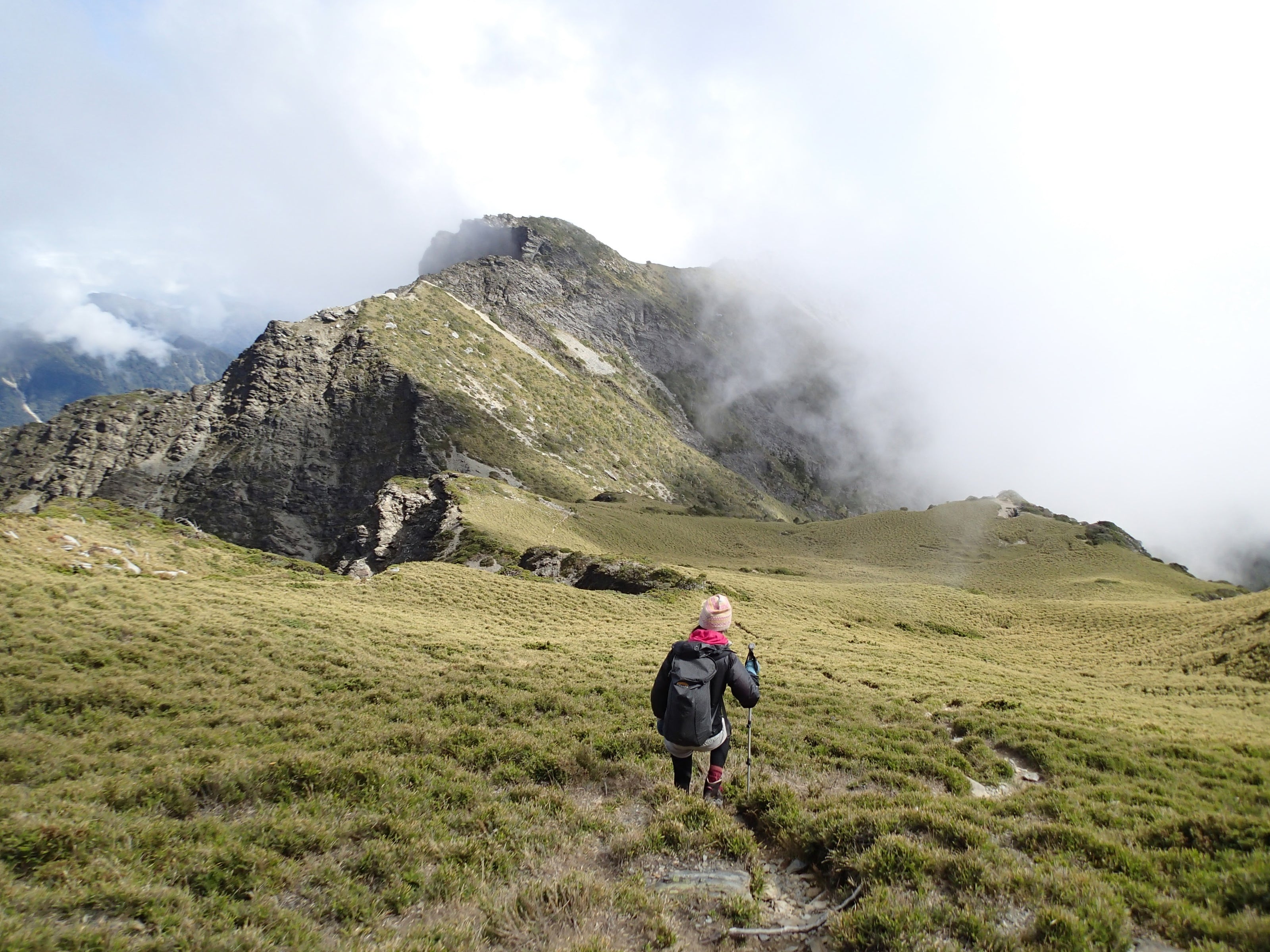
When the sun is out, the weather is hot, and there’s no wind or shade, everyone remembers to drink water. When hiking uphill in the cold at high altitudes or in the woods, everyone is like a camel and doesn’t drink water. The reason is obvious: it comes down to the varying demands of sweating, heat dissipation, and temperature regulation.
But does a lack of visible sweat really mean you aren’t sweating?
As long as your body is functioning, it will generate heat and need to use internal water to support various physiological processes. Every adult has an optimal body water ratio. As long as you’re alive, you’re constantly losing water. The more intense your physical activity, the faster you’ll lose it.
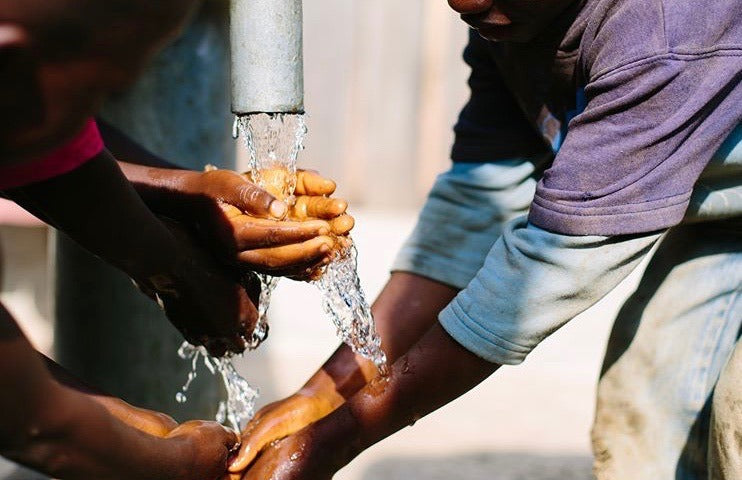
This is when you drink water, which passes through the digestive tract and is absorbed into the body, replenishing fluids to keep your body functioning normally.
If you don’t rehydrate frequently and regularly, your body will reduce its physiological functions to cope with dehydration. Simply put, it’s “downshifting”! The most common effects are decreased athletic performance, being unable to run, walk, or jump quickly, irritability, and unstable energy levels. More severe symptoms include fatigue, dizziness, headaches, emotional instability, overheating, and loss of appetite.
Monitoring your fluid intake every hour is an effective way to ensure you’re drinking enough. In the hiking scenario described above (which is not very intense), I’ll rehydrate with about 200–300 ml per hour. Over a 3–4-hour morning hike, I’ll drink about 1,000 ml of pure water. The electrolytes lost during this time can be replenished with lunch. 1,000 mg of sodium ions, 1,000 mg of chloride ions, 150 mg of potassium ions, and 50 mg of calcium ions (these are my rough recollections from a college physiology lecture on the composition of one liter of sweat, and they probably aren’t far off).
About 30–50 g of mixed nuts should replenish them. (Salted sugar contains more sugar than salt, so I use it less often on hikes now, but salted sugar is still better than nuts for running or trail running.)
Note 2: If your exercise routine is different from mine—for example, if you’re walking fast or even running in a very hot environment, or carrying a heavy load uphill—intense activity will make your body very hot, and you’ll definitely sweat a lot to cool down. You may lose 1,000–2,000 ml of sweat per hour, pouring out like a waterfall on a high mountain trail. In such cases, these products (salted sugar, salt tablets, Pocari Sweat powder, and electrolyte supplements from brands like Electrolyte and Suidouken) will be very fast-acting and helpful.
My own exercise routine usually results in losing about 200–400 ml of sweat per hour, so my sweat is probably as fresh as the morning dew on the bamboo grass of the Gengao Trail.
Campsite hydration will be covered in the next article. To be continued.


Note: Zone 2 is the exercise intensity that best stimulates mitochondrial function, aerobic system efficiency, and lactate clearance. It also primarily uses fat as its energy source (fat burning).
 “Qianghu Cross-Domain Living: Combining the philosophy of mountaineering education, we help hiking enthusiasts gradually develop outdoor safety awareness and skills through a wide range of practical courses and professional guidance, enabling everyone to confidently face the challenges of the mountains and forests. We also advocate for the responsibility of preserving the natural environment, sharing our love and respect for the wilderness with more people, and creating a complete journey of cross-domain learning and experience.”
Go to Qianghu Cross-Domain Living
Reflections After Reading Mabu Valley
I’m someone who loves drinking water. Every time I reach a natural water source where I can refill, I always take a little extra. As the saying goes, “It’s okay to drink more water; if it’s okay, drink even more.” Personally, I’d rather drink too much than not enough.