What is Leave No Trace? The Seven Principles of LNT and Outdoor Practices in Taiwan

When heading into the mountains and forests, it is easy to notice trash left beside the trail, but we may not always notice the soil erosion caused by taking shortcuts, the impact of food scraps on wildlife, or the long-term traces left by establishing a new campsite on fragile ground.
Leave No Trace (LNT) does not require people to leave absolutely no footprints, but rather to minimize the impact of outdoor activities on the natural environment and other users through better judgment and actions.
These principles apply to mountaineering, hiking, camping, backcountry camping, bikepacking, canoeing, and other outdoor activities. While actual practices vary by route, location, and management regulations, the core behind them remains the same: think one step ahead before you start, and leave a little less behind when you go.
A 30-Second Overview
Leave No Trace is more than just packing out your trash.
The seven principles include planning and preparation, traveling on durable surfaces, disposing of waste properly, leaving what you find, minimizing campfire impacts, respecting wildlife, and being considerate of other visitors.
Actual practices must align with site-specific regulations for trails, national parks, forest recreation areas, campsites, or protected areas; you cannot apply the practices of one location to every environment.
Packing out trash is only the first step of Leave No Trace
Leave No Trace is often translated as "non-trace mountains and forests," but it is not just a rulebook that says "pack your trash out." Its scope begins even before your trip sets off.
Does the group understand the weather and management regulations? Has food been pre-portioned to reduce unnecessary packaging? Are you hiking along established trails? Will the campsite crush fragile vegetation? How will cooking, washing, human waste, and campfires be managed? These seemingly separate choices add up to the total impact left by an outdoor trip.
Leave No Trace does not provide a rigid set of answers, but a method for making decisions. When the environment, season, and regulations change, users can still use the seven principles to determine the most appropriate course of action.
The Seven Principles of Leave No Trace (LNT)
1. Plan Ahead and Prepare
Knowing the route, weather, altitude, transportation, accessibility, and park or mountain entry regulations is the first step toward reducing risk and environmental impact. Those who are ill-prepared are more likely to veer off-trail, seek ad-hoc campsites, build fires for warmth, or leave behind more trash than anticipated.
Pre-portioning food, keeping group sizes manageable, preparing adequate gear, and confirming methods for handling trash, leftovers, and human waste before you start can make the entire trip smoother and reduce the pressure that impulsive decisions place on the environment.
2. Travel and Camp on Durable Surfaces
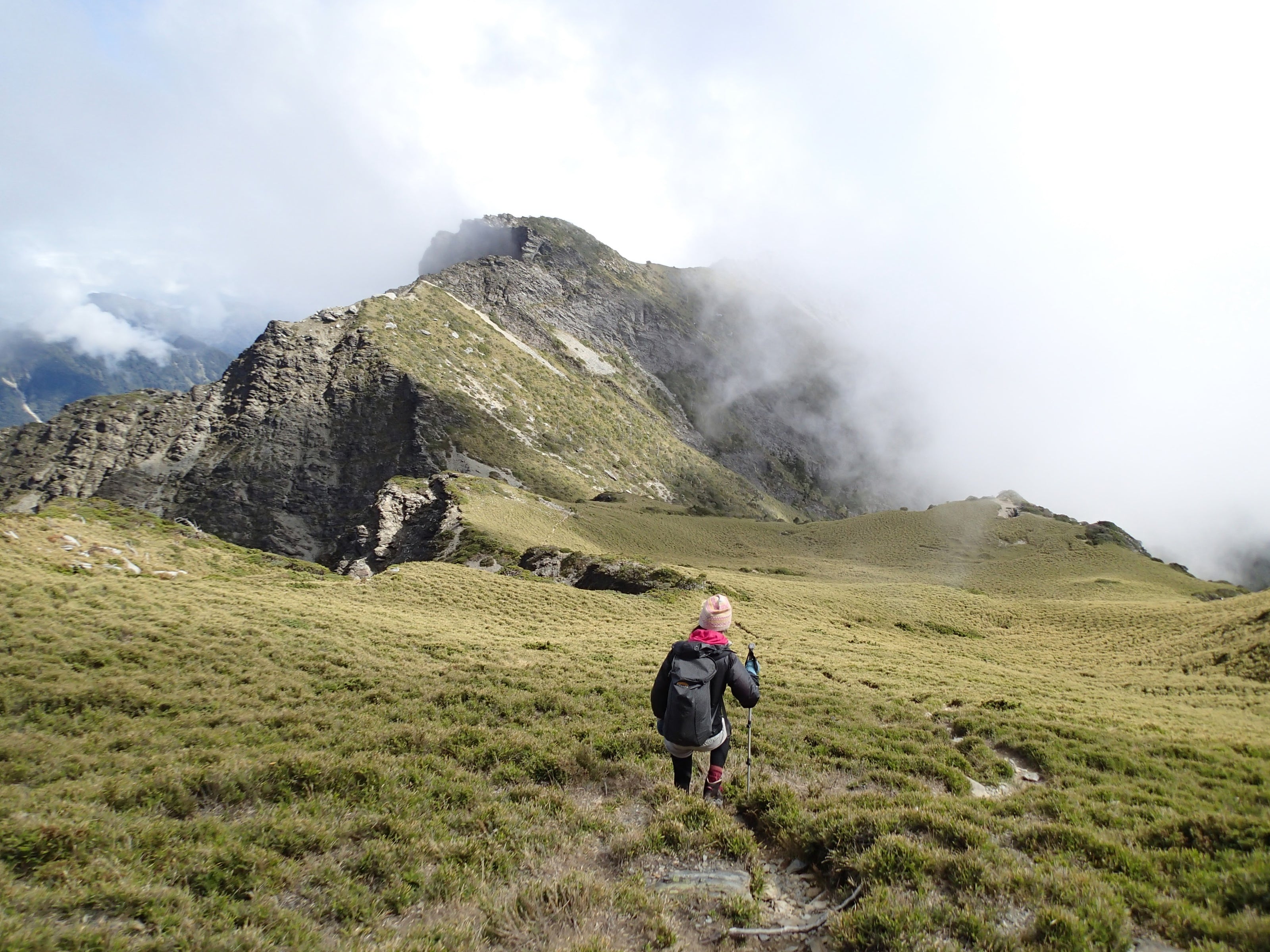
Trails, established campsites, rock, gravel, and other surfaces resistant to trampling are generally more suitable for travel and stopping than grasslands, wetlands, moss, or fragile alpine vegetation.
Stay on established routes while hiking, and do not cut switchbacks or create new shortcuts to shorten distances; when camping, prioritize official and planned campsites. At popular locations, concentrate activities within existing footprints to prevent the affected area from expanding outward.
3. Dispose of Waste Properly
For everything brought into the mountains, there should be a plan for how to take it out. Packaging, toilet paper, wet wipes, food scraps, fruit peels, and tea leaves do not belong in the outdoor environment, even if they are biodegradable.
Use existing facilities when restrooms are available; when they are not, you must first confirm the management agency's regulations regarding human waste, toilet paper, and wastewater. Appropriate practices vary by altitude, geology, climate, and usage density. Some areas require burial, while others require packing out human waste completely.
4. Leave What You Find
Leave rocks, plants, wood, historical relics, and natural objects where they are. Do not collect flowers, carve into trees, move boundary markers, or rearrange the environment for photos.
Treat rock cairns with caution. Existing cairns may serve as official trail markers; moving them can affect navigation. Adding your own decorative cairns may mislead subsequent users and alter the original landscape.
5. Minimize Campfire Impacts
Check if campfires are permitted at the location before you leave. Most cooking needs can be met with a stove, which reduces the need for gathering deadwood, burning the ground, and the risk of starting forest fires.
In areas where fires are allowed, use existing fire rings, control the flame, and supervise it at all times. Before leaving, you must ensure the fire is completely extinguished and cold; do not light a fire during dry spells, high winds, or when fire bans are in effect.
6. Respect Wildlife
Observe from a distance. Do not chase, touch, or feed animals, and do not force them to change their path for the sake of a photo. Food and trash should be stored securely to prevent animals from associating humans with food sources.
If you encounter Formosan macaques, Reeve's muntjacs, birds, or other wildlife, give them an escape route. If bringing pets into outdoor areas, follow local regulations and control your pet's behavior to avoid disturbing wildlife and other visitors.
7. Be Considerate of Other Visitors
The mountains are a shared space. Manage your conversation, music, and equipment noise; do not occupy trails for long periods while resting or taking photos; and on narrow or dangerous sections, prioritize safety and communicate before passing.
Drones, lighting, amplified sound equipment, and large group activities can impact the experience of others and the wildlife. Before using them, in addition to checking regulations, consider whether your behavior is turning a quiet environment into a disturbance others cannot avoid.
Four Common Misconceptions About LNT in Taiwan
Fruit peels and food scraps create visual pollution, can alter wildlife feeding behaviors, or introduce non-native seeds; they should be packed out with your other trash.
"Biodegradable" does not mean it is suitable for direct entry into water bodies. Cleaning and wastewater disposal should be done far from water sources and in accordance with site regulations.
Unofficial cairns can lead to confusion. Do not add or move cairns; leave trail markers to the management authorities.
Trampling vegetation, taking shortcuts, feeding animals, creating noise, or leaving fire scars also impact the environment and other visitors.
Make LNT part of your trip, rather than just memorizing seven sentences
Research routes and regulations, pre-portion food, limit group size, and plan for the disposal of trash, food waste, and human waste.
Stay on established trails, use legal campsites, manage noise, do not feed animals, and leave nothing behind that doesn't belong.
Check your rest stops and campsites, pack out all trash and micro-litter, confirm fire sources are completely out, and ensure the next user finds the environment in a near-pristine state.
Check your gear and clean your boot soles to avoid transporting seeds or soil to another environment; reflect on the trip and adjust your preparations for next time.
Conclusion: Let the next person see the same mountains
Leave No Trace is not about striving for an ideal where nature is never used; it is about acknowledging that every outdoor activity has an impact and being willing to reduce that impact.
From pre-trip preparations, choosing trails and campsites, to handling waste, fires, and wildlife interactions, the true value of the seven principles is enabling us to make more responsible decisions in any environment.
Take your memories with you, take everything that does not belong to the mountains with you, and leave the original scenery for the next person who arrives.
Sources
This article is compiled based on the "Leave No Trace" seven principles from the Forestry and Nature Conservation Agency and the official Leave No Trace seven principles. Regulations for human waste, fires, camping, and activities may vary by trail, national park, forest recreation area, and protected area. Please defer to the latest official announcements from management authorities before you head out.
View the Taiwan Mountain Recreation Network LNT information
View the official Leave No Trace seven principles