How to choose a mountaineering thermos? 6 practical scenarios, capacity, and key selection criteria
Starting out from a mountain hut or campsite in the early hours, the air is still cold, and your body hasn't fully warmed up. In these moments, you don't need to set up your stove again; just opening your thermos allows you to have a sip of warm water or quickly prepare breakfast and a hot drink.
In low temperatures, rain, overnight stays, and long-duration trips, the value of a mountaineering thermos goes beyond just a cup of hot water. It saves the water you’ve already boiled for the next time you need it, making hydration, resting, and cooking logistics more efficient while adding a layer of flexibility to your journey.

A 30-second guide to mountaineering thermoses
Primary value: Retains previously boiled hot water, eliminating the need to set up a stove, ignite it, and boil water during breaks.
Suitable for: Early morning departures, low-temperature mountaineering, rainy weather, long-distance hiking, mountain huts, and overnight trips.
Capacity selection: 350 ml is suitable for small amounts of hot drinks; 500 ml provides a good balance between capacity and weight; 750–1000 ml is suited for winter, snow seasons, long trips, or sharing among multiple people.
500 ml positioning: Ideal for keeping a portion of hot water or a hot drink; it does not replace the primary hydration system for the trip.
6 Practical scenarios for carrying a thermos while mountaineering
1. Enjoying immediate warm drinks during low-temperature breaks
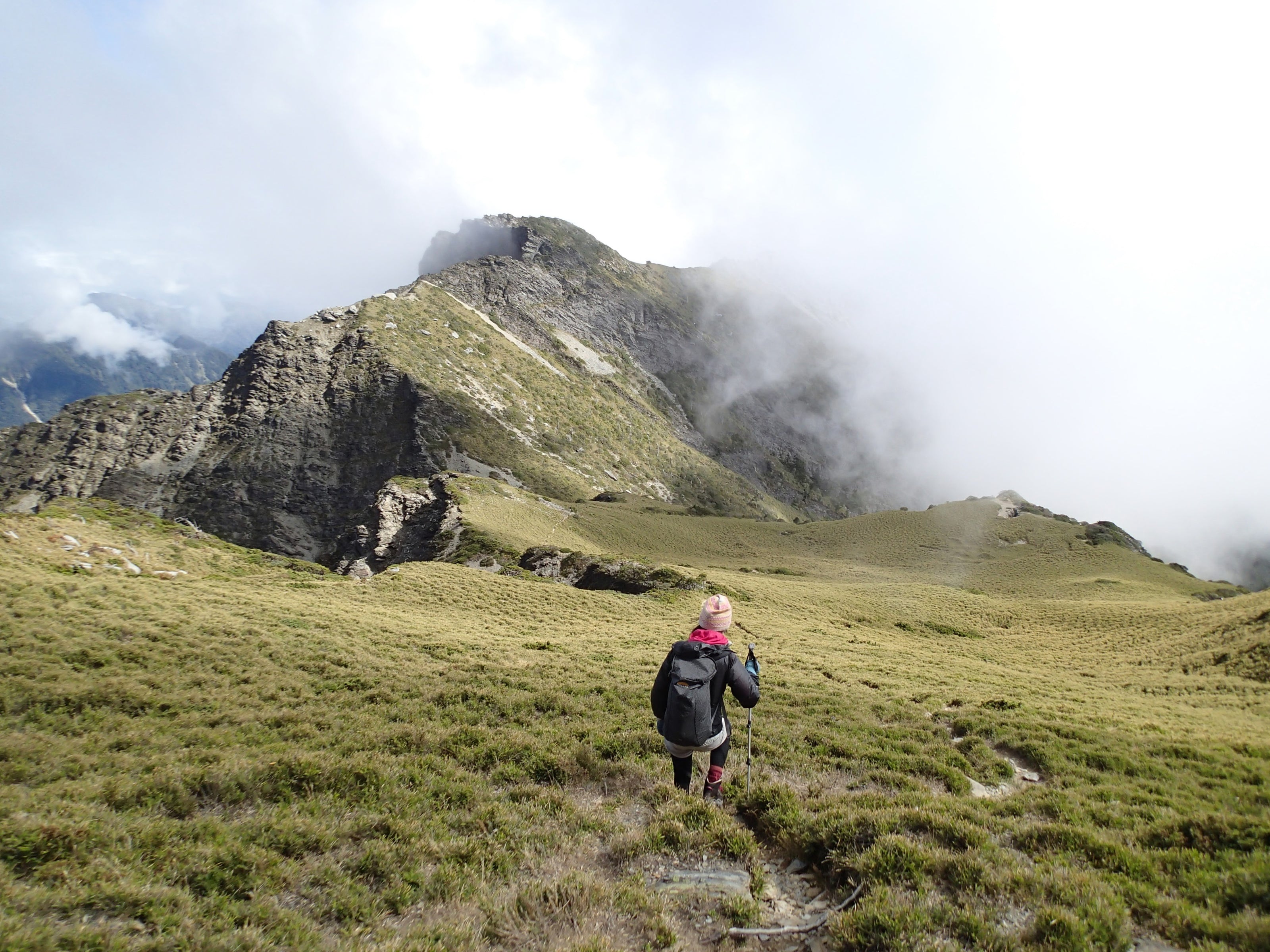
In Taiwan's high mountains, even outside of winter, the perceived temperature can drop significantly during early mornings, on ridgelines, at summits, or when weather conditions deteriorate. A thermos keeps pre-prepared warm water accessible at all times, without waiting until after you've set up a stove to get a hot drink.
2. Making it easier to maintain hydration habits in cold weather
When temperatures drop, thirst is usually less noticeable than in hot environments, and ice-cold water can reduce your desire to drink. Having easily accessible warm water makes hydrating during breaks more natural and reduces situations where you might delay drinking because the water is too cold.
3. Reducing the time spent re-boiling water
Boil water once the night before or at breakfast, fill a portion into the thermos, and it’s ready for your next break. This pre-prepared supply is especially valuable for early morning departures in the dark, tight itineraries, or conditions where it's inconvenient to set up a stove in wind and rain.
4. Quickly brewing coffee, tea, soup, and supplemental drinks
When break time is limited, the hot water in your thermos can be used immediately to brew coffee, tea, instant soup, or supplemental drinks that dissolve in warm water. If you are already carrying a stove on your trip, it also allows you to make more complete use of the water you’ve already boiled.
5. Retaining reserve hot water for rainy, winter, and long-duration trips
Strong winds, rain, low temperatures, and limited campsite space can all restrict cooking. By keeping a portion of hot water in your bottle, you essentially keep an immediately usable option for the path ahead, without having to find a spot to light your stove every time you need hot water.
6. Improving the quality of rest and the rhythm of your trip
Mountaineering is not just about travel speed; it also includes how you arrange your rest, hydration, and nutrition. When hot water is available at any time, the team can complete their supply stops, confirm routes, and organize equipment more leisurely. A warm drink won't change the difficulty of the mountain, but it significantly improves the experience of resting in a cold environment.

Which mountaineering trips are particularly suitable for bringing a thermos?
It is especially suitable for winter and snow seasons, high-altitude overnight stays, windy and rainy conditions, and long trips where it is inconvenient to boil water along the way.
How to choose the capacity for a mountaineering thermos?
Capacity should be decided based on trip duration, temperature, whether you are staying overnight, whether you need to rehydrate food, and whether your team can boil water along the way. In addition to capacity, also factor the weight of the empty bottle and the total weight after filling it with water into your pack load.
Suitable for short trips, coffee, or small amounts of hot drinks; volume and weight are easier to manage.
A balanced choice for hot drink capacity and carrying weight. Suitable for individual day trips or overnight stays to retain hot water or water for brewing; it strikes an equilibrium between capacity and load weight.
Suitable for winter, snow seasons, long trips, or sharing; however, the weight increases significantly when filled.
Used to reserve a portion of hot water or hot drink; it does not replace the total daily hydration requirement; general drinking water should still be planned separately.
What specifications should you look for when choosing a mountaineering thermos?
Thermoses require double-wall vacuum structures; don't just look at capacity, compare the weight of the empty bottle itself.
Check official test times and temperatures to determine if it meets your needs from early morning departure to midday rest.
Diameter and height affect how it fits into backpack side pockets, how it feels to handle, and how likely it is to slip out while moving.
Whether it can be opened while wearing winter gloves and whether the sealing ring is easy to remove and clean will directly affect your long-term user experience.

Why is the ZANE ARTS DOUBLE WALL BOTTLE 500 suitable for mountaineering?
The ZANE ARTS DOUBLE WALL BOTTLE 500 has a capacity of 500 ml, weighs approximately 195 g, and measures about 65 mm in diameter by 215 mm in height. Its slender body fits easily into the side pockets of most mountaineering backpacks, and the stepped shoulder design helps reduce the chance of it accidentally slipping out while on the move.
By controlling the thickness of the stainless steel and combining a titanium and resin cap, the total weight of the 500 ml capacity is kept to approximately 195 g.
The manufacturer uses a vacuum-insulated structure with an added copper coating inside the vacuum layer; the interior uses SUS316 stainless steel with a mirror finish. A narrower drinking mouth reduces heat loss when opening the cap, and the inside of the cap is equipped with insulation material, ensuring that hot water retention doesn't rely solely on the bottle body.
The cap size is designed with winter glove operation in mind, and the sealing ring features a pull tab for easy removal. These designs directly address practical mountaineering needs, including backpack storage, operation with gloves, and post-use cleaning.
500 ml, approx. 195 g.
Approx. 65 mm diameter × 215 mm height, suitable for most backpack side pockets.
Manufacturer claims it maintains over 77°C after 6 hours.
Manufacturer claims it maintains below 7°C after 6 hours.

How to improve heat retention?
Before filling, preheat the bottle with hot water, let it sit for a moment, and pour it out before filling it with the hot liquid you plan to carry; this can reduce initial heat loss.
Tighten the cap immediately after filling and minimize repeated openings; avoid leaving the thermos exposed to strong winds, low temperatures, or snow for long periods during travel. In extremely cold environments, place the bottle in a more protected area inside your backpack.

Important reminder: Warm drinks are not a complete treatment for hypothermia
Warm drinks provide comfort and encourage hydration in cold environments; however, in the event of a risk of hypothermia, priority must be given to finding shelter from wind and rain, changing into dry clothes, and adding dry, insulating layers.
If a team member is continuously shivering, acting clumsily, slurring their speech, experiencing mental confusion, or is abnormally sleepy, stop exposure immediately and initiate necessary emergency procedures. When the individual is conscious and can swallow normally, provide warm, non-alcoholic drinks; never force fluids on someone who is unconscious.
Common questions about mountaineering thermoses
Can a thermos be used for coffee?
Yes, but coffee, tea, or sugary drinks are more likely to retain odors. Clean the bottle and seal ring as soon as the trip ends to keep it clean.
Is preheating necessary before use?
To keep hot drinks warmer for longer, you can preheat by pouring in hot water for one to two minutes before replacing it with the beverage you intend to carry. This is especially noticeable on cold days or long trips.
Can a 500 ml bottle be used as the primary water container?
500 ml is better suited for reserving a portion of hot water, hot drinks, or water for food preparation. Your primary water supply should still be planned separately using water bottles or hydration bladders based on the length of the trip.
Where is the best place to store a thermos in a backpack?
If the dimensions are right, you can place it upright in a backpack side pocket; if stored inside the pack, double-check that the cap is tightened and store it away from electronic equipment.

Conclusion: Retaining hot water, retaining trip flexibility
The true utility of a mountaineering thermos lies in keeping the water you’ve already boiled for the moment you need it next. From low-temperature hydration and early morning starts to quick brewing and spare water during storms, it makes your rest and cooking arrangements more efficient.
With its 500 ml capacity, 195 g weight, slim silhouette, and glove-friendly details, the ZANE ARTS DOUBLE WALL BOTTLE 500 addresses the most common trade-offs in mountaineering thermoses. It doesn't need to replace your main water bottle, but rather serves as a reserve of warm, ready-to-use hydration for your journey.
Check out ZANE ARTS DOUBLE WALL BOTTLE 500 Double-Wall Vacuum Thermos
Learn more about the brand
Visit the ZANE ARTS Taiwan official website